
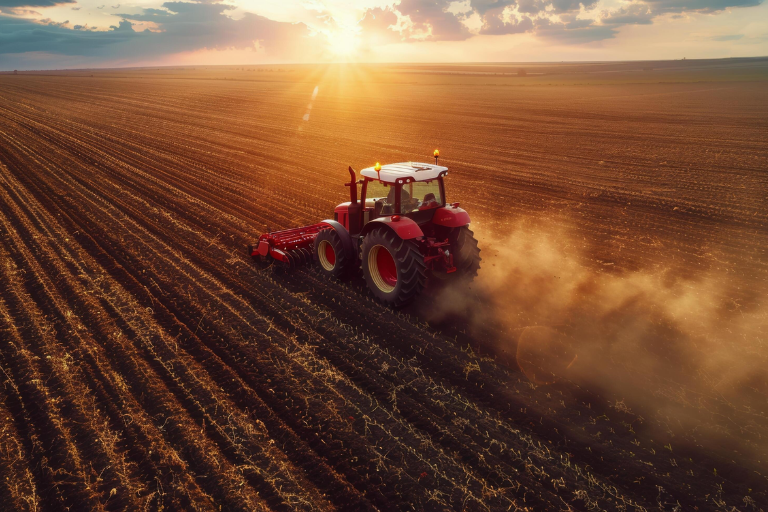
1. Why Implements Bend or Twist
Implements bend when the frame is not strong enough to handle soil pressure. This usually happens due to: Thin or low-grade steel Weak or surface-level welding Poor tine spacing Light, hollow frames Improper load distribution How JK Farm Prevents This JK Farm Equipments use: High-tensile steel Thick structural plates Deep-penetration welding Reinforced joints Heavy center brackets This ensures zero bending, even in tough soil conditions such as clay or black cotton soil.
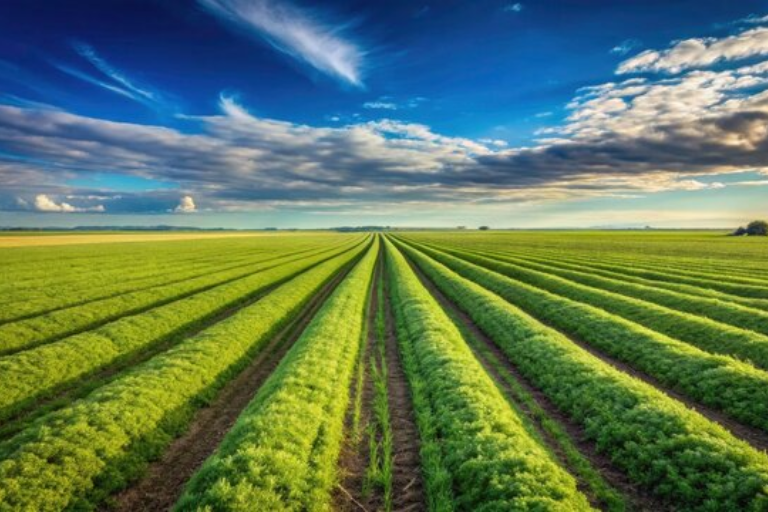
2. Why Implements Leave Uneven “Scratches” or Ruts on Soil
Uneven soil marks (commonly known as “scratches” or “raser”) occur when: Tines are not aligned correctly The angle of penetration is incorrect The implement vibrates due to weak build Blades are blunt Frame balance is poor This leads to inconsistent tillage and poor seedbed formation. How JK Farm Prevents This JK cultivators and ploughs are engineered with: Perfect tine alignment Optimized penetration angle Balanced weight distribution Sharp, hardened blades (HRC-rated) The result is a smooth, uniform soil finish without patches or ruts.
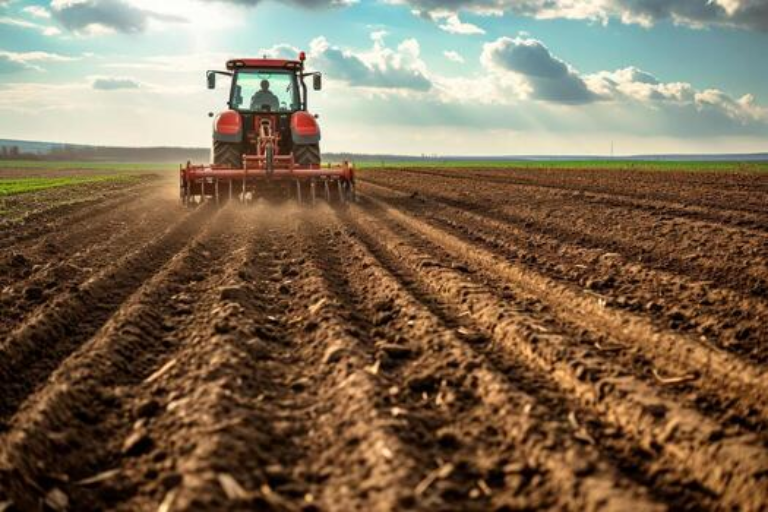
3. Why Implements Pull Heavily on One Side
A common problem with poorly built implements is sideways pulling, where the tractor feels heavier on one side. This occurs because: The frame is not geometrically aligned Tines are not equally spaced Weight is uneven across the width Welding is weaker on one side This increases operator fatigue and fuel consumption. How JK Farm Prevents This JK Farm ensures: CNC-based frame alignment Perfectly equal tine spacing Centralized center-of-gravity design Symmetrical welding on both sides This makes the implement pull straight and balanced, improving efficiency.
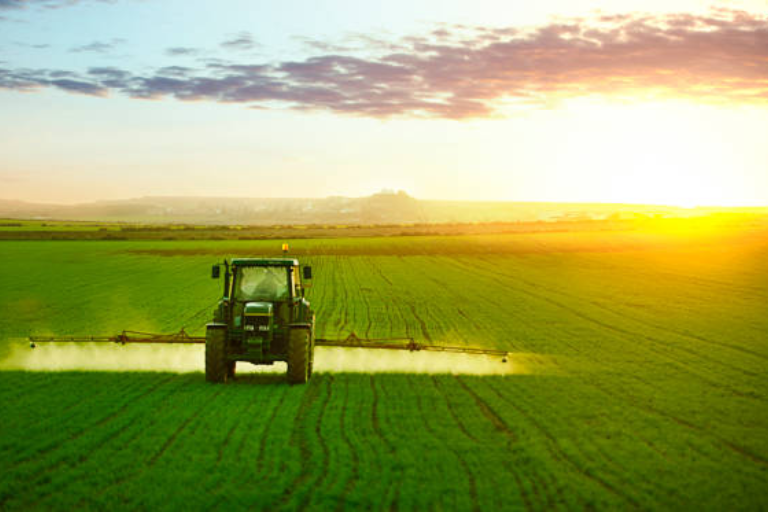
4. Why Some Implements Create Excess Load on the Tractor
Implements overload tractors when: Their weight is distributed incorrectly Blade cutting angle is too aggressive Tines dig too deep without control Soil entry design is poor Blades are dull and resist movement This leads to: High diesel consumption Engine stress More wheel slip Slow operation How JK Farm Prevents This JK Farm Equipments are built with: Correct draft geometry Balanced weight Smooth soil-entry design Hardened blades for easy penetration Depth-optimized tines This reduces tractor load and saves significant fuel.